The Role of Digital Twins in Industry 4.0

Introduction
The emergence of Industry 4.0 has transformed the way organizations design, operate, and manage industrial systems. This transformation is driven by the integration of advanced technologies such as artificial intelligence, the Internet of Things, big data analytics, and cloud computing. At the center of this transformation lies the concept of digital twins, a revolutionary innovation that bridges the gap between the physical and digital worlds. A digital twin is a virtual representation of a physical object, system, or process that is continuously updated with real-time data, enabling accurate simulation, analysis, and optimization.
In modern industrial environments, digital twins are becoming essential tools for improving operational efficiency, reducing downtime, and enhancing decision-making. By replicating real-world assets in a digital environment, organizations can monitor performance, predict failures, and test different scenarios without disrupting actual operations. This capability aligns perfectly with the goals of Industry 4.0, which emphasizes automation, connectivity, and intelligent decision-making.
Concept and Evolution of Digital Twins
The concept of digital twins originated from advancements in simulation and modeling technologies. Initially, industries relied on static models that could only represent systems at a specific point in time. However, with the evolution of real-time data collection through sensors and IoT devices, these models became dynamic, giving rise to digital twins.
Digital twins consist of three key components: the physical asset, the virtual model, and the data connection that links both. The physical asset could be anything from a machine or production line to an entire factory. The virtual model is a digital replica that mirrors the characteristics and behavior of the physical asset. The data connection enables continuous communication between the two, ensuring that the digital twin reflects real-time conditions.
Over time, digital twins have evolved from simple monitoring tools to sophisticated systems capable of predictive analytics and autonomous decision-making. This evolution has been fueled by advancements in machine learning, cloud computing, and edge computing, which allow for faster data processing and more accurate simulations.
Digital Twins as a Core Component of Industry 4.0
Industry 4.0 is characterized by the integration of cyber-physical systems, smart factories, and interconnected devices. Digital twins play a central role in enabling these features by providing a digital layer that connects physical operations with digital intelligence.
In smart factories, digital twins allow manufacturers to create virtual replicas of production processes. These replicas can be used to monitor operations in real time, identify inefficiencies, and optimize workflows. For example, a digital twin of a production line can detect bottlenecks and suggest adjustments to improve throughput.
Furthermore, digital twins enhance interoperability among different systems within a factory. By providing a unified digital platform, they enable seamless communication between machines, systems, and stakeholders. This level of integration is essential for achieving the full potential of Industry 4.0.
Another critical role of digital twins is enabling data-driven decision-making. By analyzing data collected from physical assets, digital twins provide insights that help organizations make informed decisions. These insights can be used to improve product design, optimize maintenance schedules, and enhance overall performance.
Applications of Digital Twins in Industry 4.0
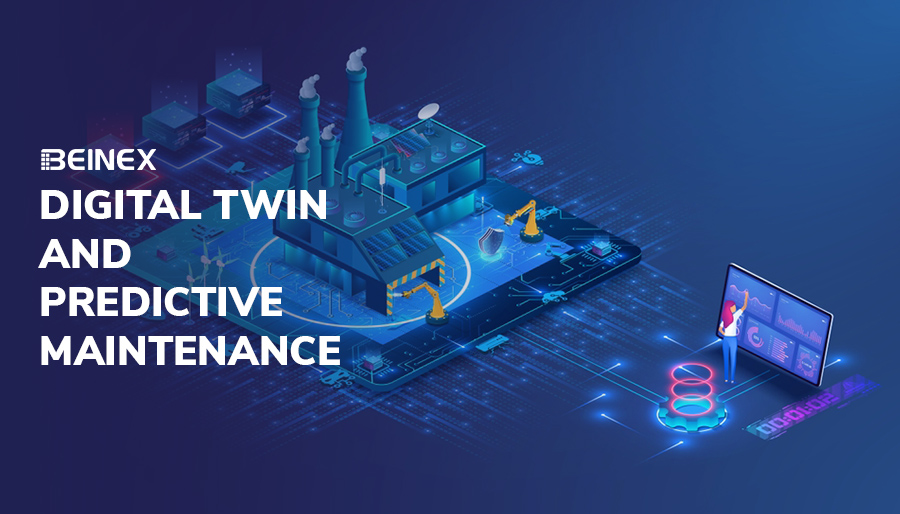
Digital twins have a wide range of applications across various industrial sectors. One of the most prominent applications is predictive maintenance. By continuously monitoring the condition of equipment, digital twins can identify signs of wear and tear and predict potential failures before they occur. This reduces unplanned downtime and lowers maintenance costs.
In manufacturing, digital twins are used to optimize production processes. They enable manufacturers to simulate different production scenarios and identify the most efficient approach. This leads to improved productivity and reduced waste.
Another important application is in supply chain management. Digital twins can create virtual models of supply chains, allowing organizations to analyze and optimize logistics operations. This helps in improving delivery times, reducing costs, and enhancing overall efficiency.
Digital twins are also used in energy management. By modeling energy consumption patterns, organizations can identify areas where energy usage can be reduced. This contributes to sustainability and cost savings.
In product design and development, digital twins enable engineers to test and validate designs in a virtual environment before physical prototypes are created. This accelerates the development process and reduces the risk of design flaws.
Benefits of Digital Twins in Industry 4.0
The adoption of digital twins offers numerous benefits to organizations. One of the most significant advantages is improved operational efficiency. By providing real-time insights into system performance, digital twins enable organizations to optimize their operations and reduce inefficiencies.
Another key benefit is cost reduction. Digital twins help in minimizing maintenance costs by enabling predictive maintenance. They also reduce the need for physical prototypes, which lowers development costs.
Digital twins also enhance product quality. By enabling continuous monitoring and analysis, they help in identifying defects and ensuring that products meet quality standards.
In addition, digital twins support innovation. By providing a platform for experimentation and simulation, they allow organizations to explore new ideas and develop innovative solutions.
Furthermore, digital twins improve safety. By simulating different scenarios, organizations can identify potential risks and implement measures to mitigate them. This is particularly important in industries such as manufacturing and energy, where safety is a critical concern.
Challenges Associated with Digital Twins
Despite their numerous benefits, the implementation of digital twins is not without challenges. One of the primary challenges is data management. Digital twins rely on large volumes of data collected from various sources. Managing and processing this data can be complex and requires advanced data analytics capabilities.
Another challenge is the integration of different systems. Many organizations have legacy systems that may not be compatible with digital twin technology. Integrating these systems can be difficult and may require significant investment.
Cybersecurity is also a major concern. Since digital twins involve the exchange of sensitive data, they are vulnerable to cyber threats. Organizations need to implement robust security measures to protect their data.
Additionally, the development and implementation of digital twins require significant investment in technology and expertise. This can be a barrier for small and medium-sized enterprises.
There is also the challenge of data accuracy. The effectiveness of a digital twin depends on the accuracy of the data it receives. Inaccurate or incomplete data can lead to incorrect insights and decisions.
Digital Twins and Emerging Technologies


Digital twins are closely integrated with other emerging technologies in Industry 4.0. Artificial intelligence and machine learning enhance the capabilities of digital twins by enabling advanced analytics and predictive modeling. These technologies allow digital twins to learn from data and improve their accuracy over time.
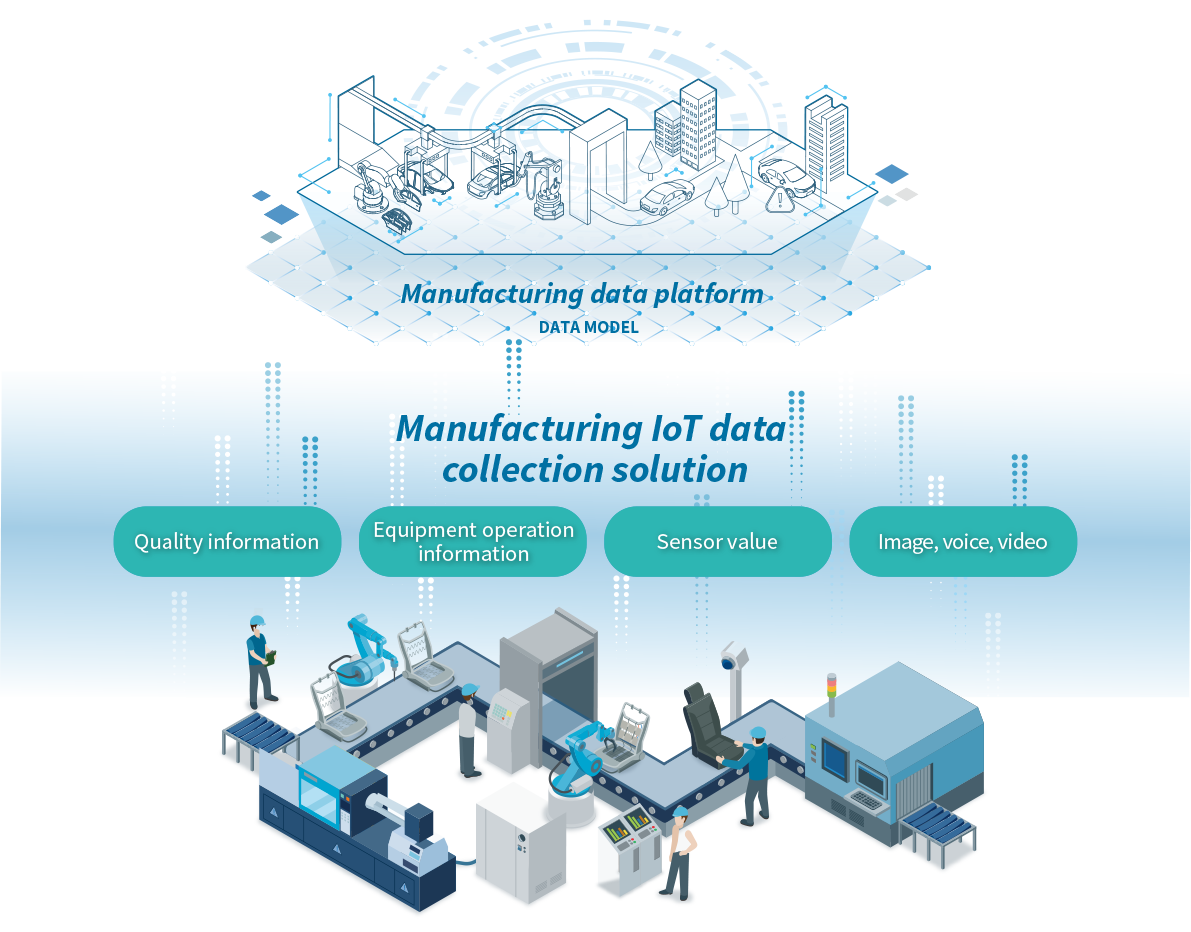
The Internet of Things plays a crucial role in enabling digital twins. IoT devices collect data from physical assets and transmit it to digital twin platforms. This real-time data is essential for maintaining accurate and up-to-date digital replicas.
Cloud computing provides the infrastructure needed to store and process large volumes of data generated by digital twins. It also enables remote access to digital twin systems, allowing organizations to monitor and manage their operations from anywhere.
Edge computing complements cloud computing by processing data closer to the source. This reduces latency and enables faster decision-making, which is critical in industrial environments.
Blockchain technology is also being explored for use with digital twins. It can enhance data security and transparency by providing a secure and immutable record of data transactions.
Future of Digital Twins in Industry 4.0
The future of digital twins in Industry 4.0 is promising, with continued advancements expected in the coming years. As technology evolves, digital twins will become more sophisticated and capable of handling more complex systems.
One of the key trends is the development of autonomous digital twins. These systems will be able to make decisions and take actions without human intervention, further enhancing efficiency and productivity.
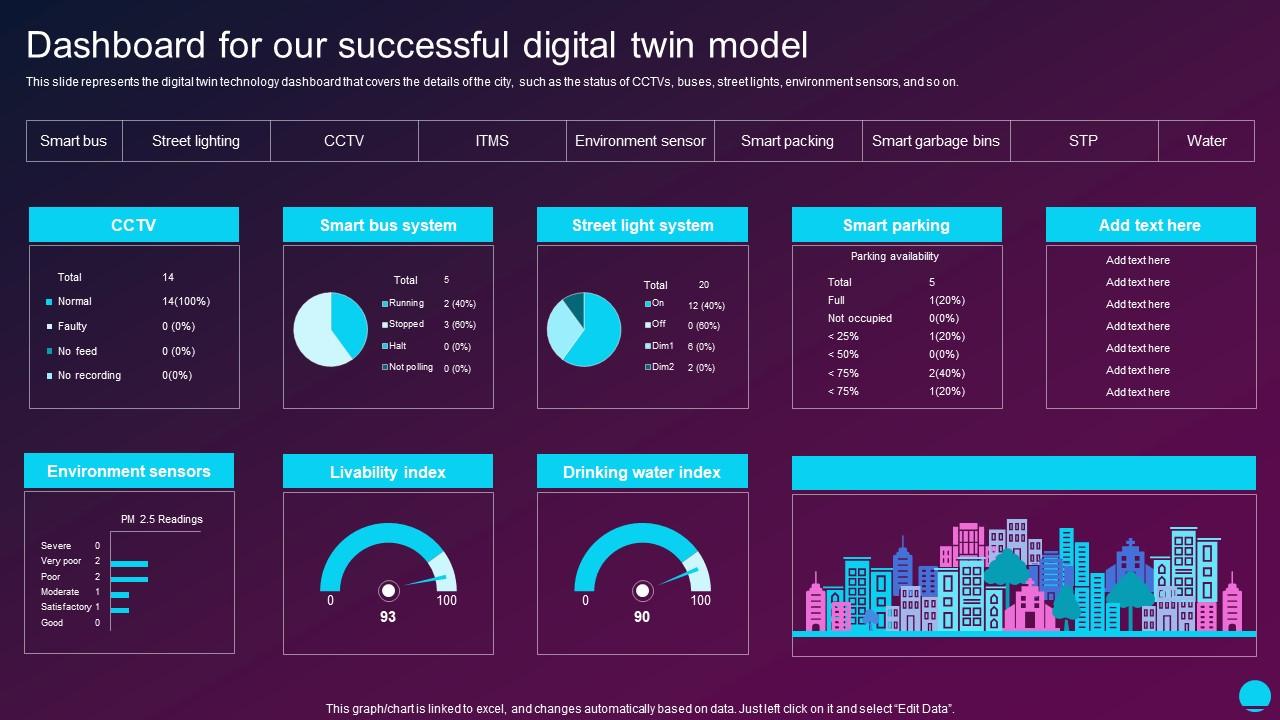
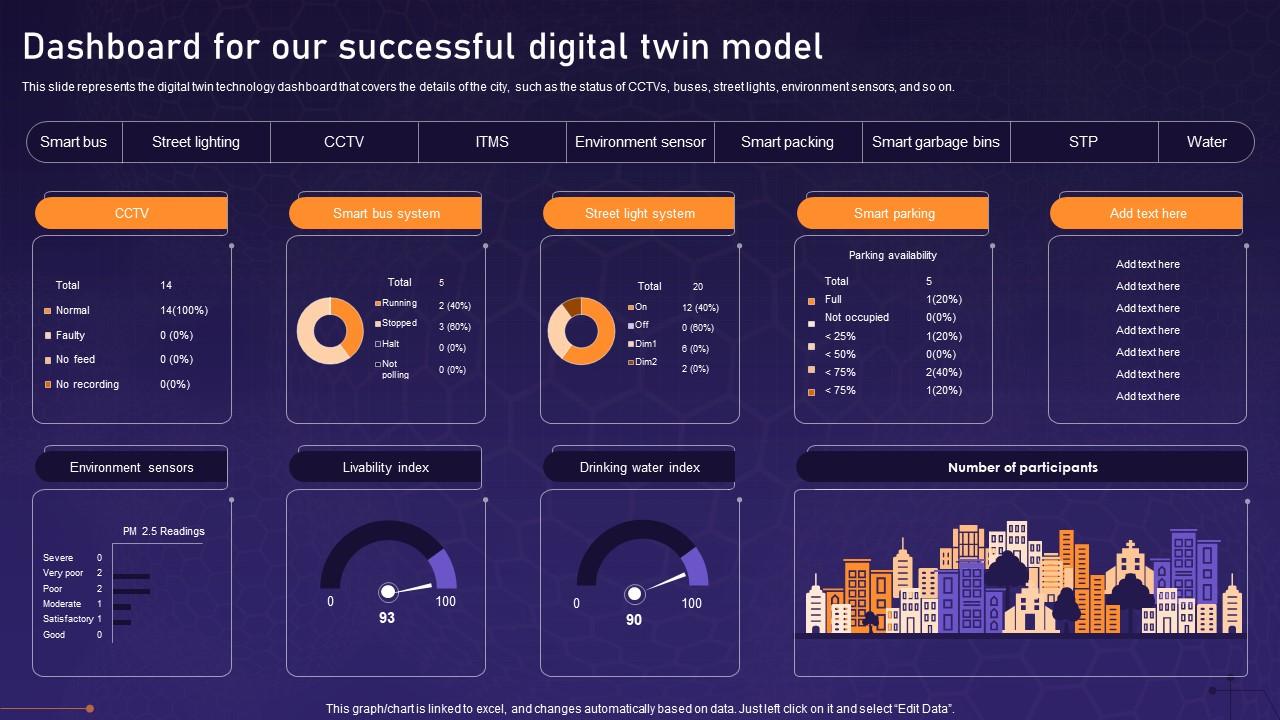
Another trend is the expansion of digital twins beyond individual assets to entire ecosystems. This includes smart cities, where digital twins can be used to manage infrastructure, transportation, and energy systems.
The integration of digital twins with augmented reality and virtual reality is also expected to grow. This will enable more immersive and interactive experiences, allowing users to visualize and interact with digital twins in new ways.
Furthermore, the adoption of digital twins is expected to increase across various industries, including healthcare, construction, and transportation. This will lead to new applications and opportunities for innovation.
Conclusion
Digital twins represent a transformative innovation in the era of Industry 4.0. By bridging the gap between the physical and digital worlds, they enable organizations to monitor, analyze, and optimize their operations in real time. Their applications span across various industries, offering benefits such as improved efficiency, cost reduction, enhanced product quality, and increased safety.
Despite the challenges associated with their implementation, the potential of digital twins far outweighs the drawbacks. As technology continues to evolve, digital twins will play an increasingly important role in shaping the future of industrial operations. Organizations that embrace this technology will be better positioned to compete in the rapidly changing landscape of Industry 4.0.
In conclusion, digital twins are not just a technological innovation but a strategic tool that enables organizations to achieve greater efficiency, innovation, and sustainability in the digital age.