How Blockchain Is Improving Supply Chain Transparency

Introduction
In today’s globalized economy, supply chains have become increasingly complex, involving multiple stakeholders across different countries, systems, and regulatory environments. From raw material sourcing to final product delivery, goods pass through numerous stages before reaching consumers. However, this complexity often leads to challenges such as lack of transparency, fraud, inefficiencies, and limited traceability. As a result, businesses and consumers alike are demanding more visibility and accountability across supply chains.
Blockchain technology has emerged as a transformative solution to these challenges. Originally developed as the underlying technology for cryptocurrencies, blockchain has evolved into a powerful tool for enhancing transparency, security, and trust in various industries. At its core, blockchain is a decentralized and immutable digital ledger that records transactions in a secure and transparent manner.
By integrating blockchain into supply chain management, organizations can track the movement of goods in real time, verify the authenticity of products, and ensure accountability at every stage of the supply chain. This essay explores how blockchain improves supply chain transparency, its applications, benefits, challenges, and future potential.
Understanding Blockchain Technology
Blockchain is a distributed ledger technology that enables the recording of transactions across multiple nodes in a network. Each transaction is stored in a “block,” which is linked to previous blocks, forming a chain. Once recorded, the data cannot be altered without the consensus of the network, ensuring data integrity and security.
One of the key features of blockchain is decentralization. Unlike traditional systems that rely on a central authority, blockchain operates on a peer-to-peer network where all participants have access to the same data. This eliminates the need for intermediaries and reduces the risk of data manipulation.
Another important feature is transparency. All transactions recorded on a blockchain are visible to authorized participants, providing a clear and auditable record of activities. This is particularly valuable in supply chain management, where multiple parties need access to accurate and reliable information.
Blockchain also incorporates cryptographic techniques to ensure data security. Each transaction is encrypted and linked to previous transactions, making it extremely difficult for unauthorized parties to alter the data.
The Need for Transparency in Supply Chains

Transparency in supply chains is essential for building trust, ensuring compliance, and improving efficiency. However, traditional supply chain systems often suffer from a lack of visibility due to fragmented data, manual processes, and limited information sharing.
One of the major issues is the inability to trace products back to their origin. This can lead to problems such as counterfeit goods, unethical sourcing practices, and quality control issues. For example, in the food industry, lack of traceability can make it difficult to identify the source of contamination during a food safety incident.
Another challenge is the lack of real-time information. Delays in data sharing can result in inefficiencies, increased costs, and poor decision-making. Without accurate and timely data, organizations may struggle to respond to disruptions or optimize their operations.
Additionally, the involvement of multiple intermediaries increases the risk of fraud and errors. Each participant in the supply chain maintains their own records, which may not always be consistent or reliable.
How Blockchain Enhances Supply Chain Transparency
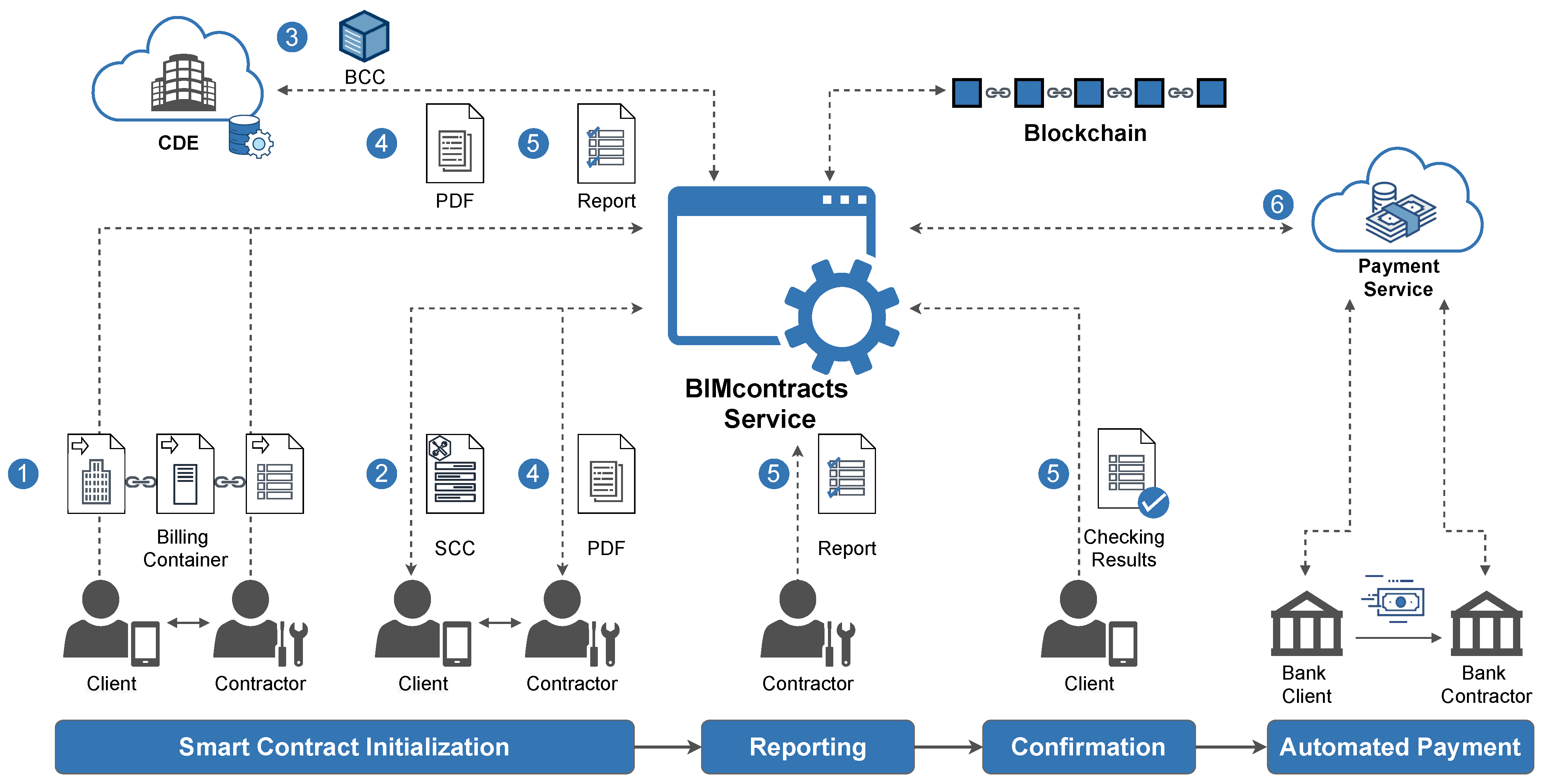
Blockchain technology addresses many of the challenges associated with traditional supply chains by providing a transparent and tamper-proof system for recording transactions.
1. End-to-End Traceability
One of the most significant contributions of blockchain is its ability to provide end-to-end traceability. Every transaction, from raw material sourcing to final delivery, is recorded on the blockchain. This creates a complete and verifiable history of a product’s journey.
For instance, in the food industry, blockchain can track the origin of ingredients, processing stages, and distribution channels. In the event of contamination, companies can quickly identify the source and take appropriate action, minimizing risks and costs.
2. Real-Time Data Sharing
Blockchain enables real-time data sharing among supply chain participants. Since all parties have access to the same information, there is no need for repeated data entry or reconciliation. This improves efficiency and reduces delays.
Real-time visibility also allows organizations to monitor the status of shipments, inventory levels, and production processes. This helps in making informed decisions and responding quickly to changes in demand or disruptions.
3. Improved Data Accuracy and Integrity
The immutability of blockchain ensures that once data is recorded, it cannot be altered. This reduces the risk of errors, fraud, and data manipulation. Each transaction is verified and validated by the network, ensuring its accuracy.
This level of data integrity is particularly important in industries where compliance and accountability are critical, such as pharmaceuticals and food safety.
4. Smart Contracts for Automation
Blockchain supports the use of smart contracts, which are self-executing agreements with predefined conditions. These contracts automatically execute transactions when certain conditions are met.
In supply chains, smart contracts can automate processes such as payments, order fulfillment, and compliance checks. This reduces the need for manual intervention and minimizes the risk of errors.
5. Enhanced Trust Among Stakeholders
By providing a transparent and verifiable record of transactions, blockchain builds trust among supply chain participants. All parties can access the same information, reducing disputes and improving collaboration.
This is particularly beneficial in global supply chains, where participants may not have established relationships or trust.
Applications of Blockchain in Supply Chains

Blockchain is being applied across various industries to enhance supply chain transparency.
Food Industry
Blockchain is widely used in the food industry to improve traceability and safety. Companies can track the origin of food products and ensure compliance with safety standards. This helps in quickly identifying and addressing contamination issues.
Pharmaceutical Industry
In the pharmaceutical sector, blockchain helps prevent counterfeit drugs by providing a secure and verifiable record of the supply chain. This ensures that medicines are authentic and safe for consumption.
Retail and Luxury Goods
Blockchain is used to verify the authenticity of luxury goods and prevent counterfeiting. Customers can access information about the product’s origin and manufacturing process, increasing trust and confidence.
Automotive Industry
In the automotive sector, blockchain enables tracking of parts and components throughout the supply chain. This improves quality control and ensures compliance with safety standards.
Benefits of Blockchain in Supply Chain Transparency
The integration of blockchain into supply chain management offers numerous benefits.
One of the most significant advantages is increased transparency. By providing a clear and accessible record of transactions, blockchain enables organizations to monitor and verify supply chain activities.
Another key benefit is improved efficiency. Automation through smart contracts and real-time data sharing reduces delays and operational costs.
Blockchain also enhances security by protecting data from unauthorized access and tampering. This reduces the risk of fraud and ensures data integrity.
In addition, blockchain supports sustainability by enabling organizations to track and verify ethical sourcing practices. This is particularly important for consumers who are increasingly concerned about environmental and social issues.
Challenges of Implementing Blockchain in Supply Chains
Despite its potential, the adoption of blockchain in supply chains faces several challenges.
One of the primary challenges is scalability. Blockchain networks can experience limitations in processing large volumes of transactions, which may affect performance.
Another challenge is the lack of standardization. Different blockchain platforms may not be compatible with each other, making integration difficult.
The cost of implementation is also a significant barrier, particularly for small and medium-sized enterprises. Setting up and maintaining blockchain systems requires investment in technology and expertise.
Additionally, there are regulatory and legal challenges associated with blockchain adoption. Governments and regulatory bodies are still developing frameworks to govern the use of blockchain technology.
The Future of Blockchain in Supply Chain Management

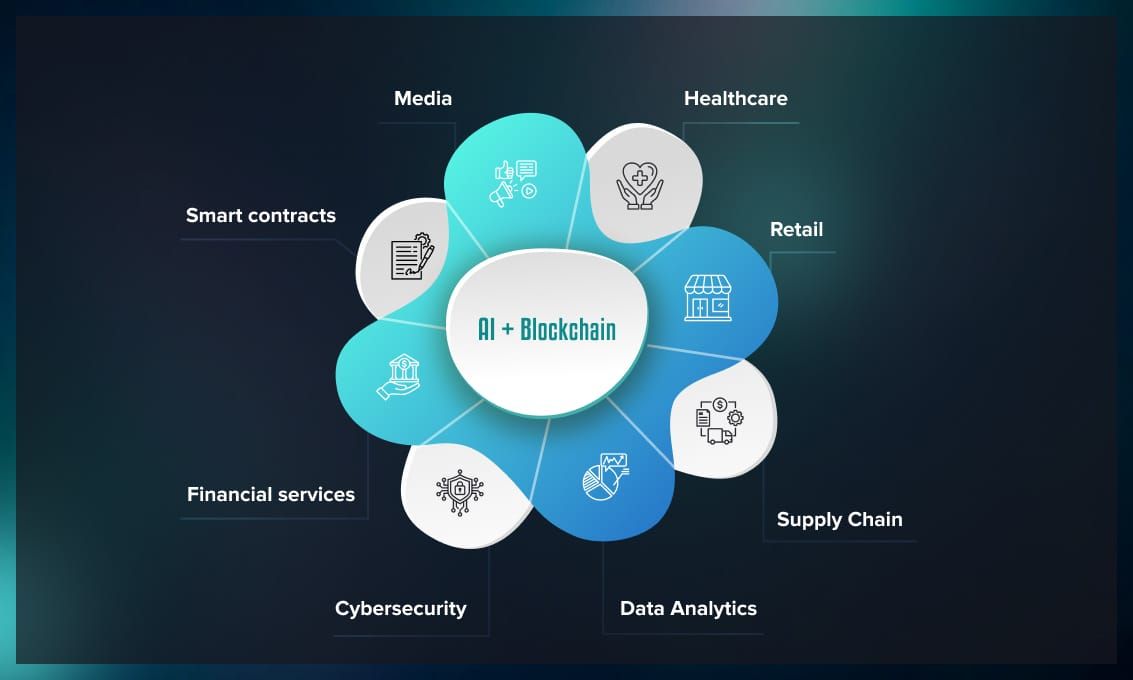

The future of blockchain in supply chain management is promising, with ongoing advancements expected to address current challenges and expand its applications.
The integration of blockchain with other technologies such as the Internet of Things and artificial intelligence will further enhance its capabilities. IoT devices can provide real-time data on the condition and location of goods, while AI can analyze this data to optimize operations.
As blockchain technology matures, it is likely to become more scalable and cost-effective, making it accessible to a wider range of organizations. Increased adoption will lead to the development of standardized platforms and regulatory frameworks.
In the future, blockchain could enable fully transparent and autonomous supply chains, where all processes are automated and monitored in real time. This will significantly improve efficiency, reduce costs, and enhance trust among stakeholders.
Conclusion
Blockchain technology is revolutionizing supply chain management by providing a transparent, secure, and efficient system for tracking and verifying transactions. Its ability to offer end-to-end traceability, real-time data sharing, and immutable records makes it a powerful tool for addressing the challenges of traditional supply chains.
By enhancing transparency, blockchain helps build trust among stakeholders, improve operational efficiency, and ensure compliance with regulatory standards. Its applications across industries such as food, pharmaceuticals, retail, and automotive demonstrate its versatility and potential.
While challenges such as scalability, cost, and regulatory issues remain, ongoing advancements in technology are expected to overcome these barriers. As adoption increases, blockchain will play a crucial role in shaping the future of supply chain management.
In conclusion, blockchain is not just a technological innovation but a strategic enabler of transparency and trust in modern supply chains. Organizations that embrace this technology will be better positioned to meet the demands of an increasingly complex and interconnected global economy.