How Big Data Analytics Drives Business Decisions
Introduction
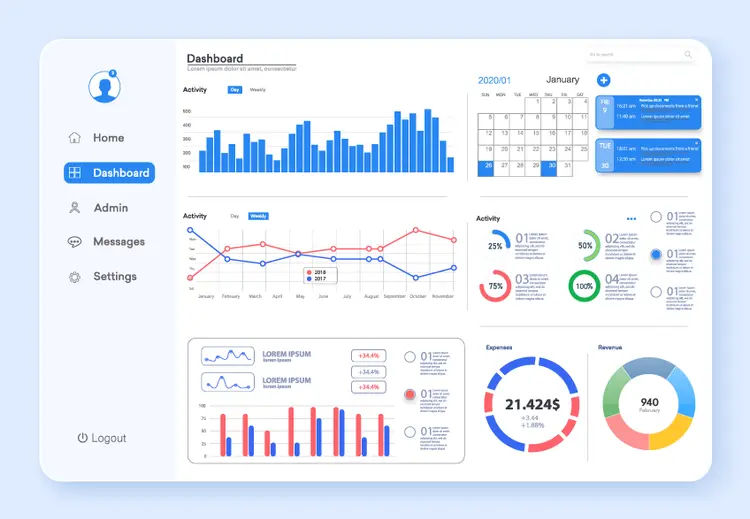
In today’s digital economy, data has become one of the most valuable assets for organizations across industries. Every interaction, transaction, and process generates data, creating vast volumes of information that businesses can leverage to gain insights and make informed decisions. This phenomenon, commonly referred to as big data, has transformed the way organizations operate, compete, and grow.
Big data analytics involves the use of advanced tools and techniques to process, analyze, and interpret large and complex datasets. Unlike traditional data analysis methods, big data analytics enables organizations to uncover hidden patterns, correlations, and trends that would otherwise remain undetected. As a result, businesses can make more accurate, timely, and strategic decisions.
The role of big data analytics in driving business decisions has become increasingly significant. Organizations that effectively utilize data analytics are better positioned to understand customer behavior, optimize operations, mitigate risks, and identify new opportunities. This essay explores how big data analytics drives business decisions, its applications across various business functions, its benefits, challenges, and future prospects.
Understanding Big Data Analytics
Big data is characterized by the “three Vs”: volume, velocity, and variety. Volume refers to the massive amount of data generated daily, velocity describes the speed at which data is produced and processed, and variety refers to the different types of data, including structured, semi-structured, and unstructured data.
Big data analytics involves several processes, including data collection, storage, processing, and analysis. Organizations use technologies such as data warehouses, cloud computing, and machine learning algorithms to handle large datasets efficiently. These technologies enable businesses to transform raw data into actionable insights.
There are different types of big data analytics, each serving a specific purpose. Descriptive analytics focuses on understanding past events by analyzing historical data. Diagnostic analytics goes a step further by identifying the causes of specific outcomes. Predictive analytics uses statistical models and machine learning to forecast future trends, while prescriptive analytics provides recommendations for optimal decision-making.
The Role of Big Data in Decision-Making


Big data analytics plays a central role in modern business decision-making by providing evidence-based insights. Traditionally, business decisions were often based on intuition or limited information. However, with the availability of big data, organizations can now rely on data-driven approaches to guide their strategies.
One of the key ways big data drives decision-making is by improving accuracy. By analyzing large datasets, businesses can identify patterns and trends that provide a clearer understanding of market dynamics. This reduces uncertainty and enables more precise decision-making.
Big data also enhances the speed of decision-making. Real-time analytics allows organizations to access up-to-date information and respond quickly to changing conditions. For example, retailers can adjust pricing strategies based on real-time demand, while logistics companies can optimize delivery routes using live traffic data.
Furthermore, big data supports strategic planning by providing insights into long-term trends and opportunities. Organizations can use predictive analytics to anticipate future market conditions and develop strategies accordingly. This proactive approach helps businesses stay ahead of competitors.
Applications of Big Data Analytics in Business
1. Marketing and Customer Insights

Big data analytics has revolutionized marketing by enabling businesses to understand their customers in greater detail. By analyzing data from various sources such as social media, online transactions, and customer feedback, organizations can gain insights into customer preferences, behavior, and purchasing patterns.
These insights allow businesses to create personalized marketing campaigns that target specific customer segments. Personalization improves customer engagement and increases the likelihood of conversions. For instance, e-commerce platforms use recommendation systems to suggest products based on users’ browsing and purchase history.
Big data also enables businesses to measure the effectiveness of marketing campaigns. By analyzing performance metrics, organizations can identify which strategies are working and make adjustments as needed. This leads to more efficient use of marketing resources.
2. Operations and Supply Chain Optimization
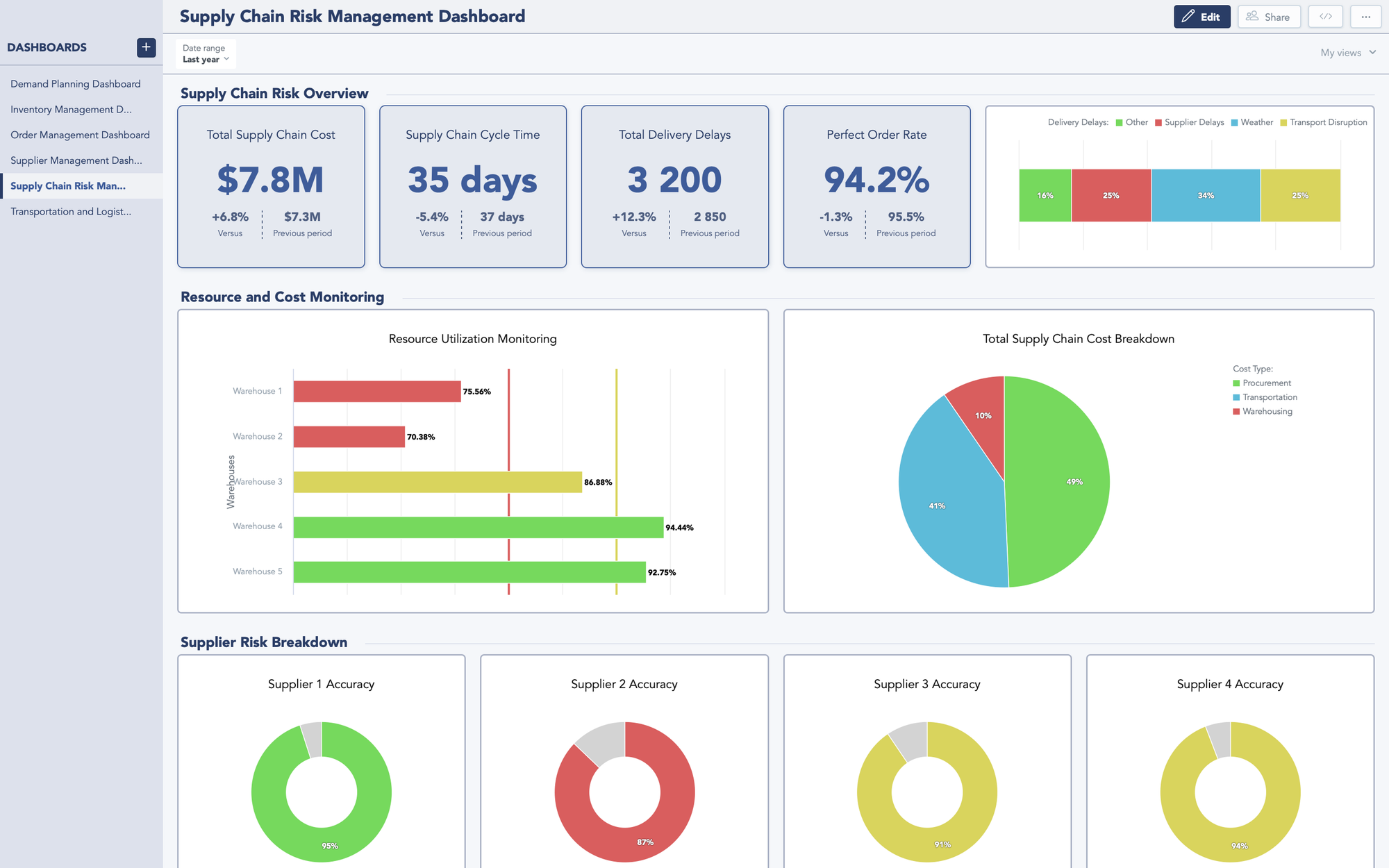
In operations and supply chain management, big data analytics plays a crucial role in improving efficiency and reducing costs. Organizations can use data analytics to monitor and optimize various aspects of their operations, including inventory management, production processes, and logistics.
For example, predictive analytics can be used to forecast demand, allowing businesses to maintain optimal inventory levels. This reduces the risk of overstocking or stockouts. In manufacturing, data from sensors can be analyzed to predict equipment failures and schedule maintenance proactively, minimizing downtime.
In logistics, big data analytics helps optimize delivery routes and improve transportation efficiency. By analyzing traffic patterns, weather conditions, and other factors, companies can reduce delivery times and fuel consumption.
3. Financial Decision-Making
Big data analytics is widely used in financial decision-making, helping organizations manage risks, optimize investments, and improve financial performance. By analyzing financial data, businesses can identify trends and patterns that inform budgeting, forecasting, and investment decisions.
In the banking sector, big data analytics is used for fraud detection. By analyzing transaction data in real time, financial institutions can identify suspicious activities and prevent fraudulent transactions.
Big data also supports credit risk assessment by analyzing customers’ financial behavior and credit history. This enables lenders to make more informed decisions and reduce the risk of default.
4. Human Resource Management
Big data analytics is transforming human resource management by enabling data-driven approaches to talent acquisition, employee performance, and workforce planning. Organizations can analyze data from recruitment processes to identify the most effective hiring strategies and select candidates who are the best fit for the organization.
In addition, employee performance data can be analyzed to identify strengths and areas for improvement. This helps organizations design targeted training programs and improve overall productivity.
Big data also supports employee retention by identifying factors that contribute to job satisfaction and turnover. By addressing these factors, organizations can create a more positive work environment and retain top talent.
5. Product Development and Innovation
Big data analytics plays a key role in product development by providing insights into customer needs and market trends. Organizations can analyze customer feedback, usage data, and market research to identify opportunities for innovation.
For example, technology companies use big data to understand how customers interact with their products and identify areas for improvement. This information is used to develop new features and enhance user experience.
Big data also enables rapid prototyping and testing by providing real-time feedback on product performance. This accelerates the development process and increases the likelihood of success.
Benefits of Big Data Analytics in Business Decisions
The adoption of big data analytics offers numerous benefits to organizations. One of the most significant advantages is improved decision-making. By providing accurate and timely insights, big data analytics enables organizations to make informed decisions that align with their strategic objectives.
Another key benefit is increased efficiency. By optimizing operations and processes, big data analytics helps organizations reduce costs and improve productivity. This leads to better resource utilization and higher profitability.
Big data analytics also enhances customer satisfaction by enabling personalized experiences and improved service delivery. By understanding customer needs and preferences, businesses can tailor their offerings to meet expectations.
In addition, big data analytics supports innovation by identifying new opportunities and enabling data-driven experimentation. This helps organizations stay competitive in rapidly changing markets.
Challenges of Implementing Big Data Analytics
Despite its benefits, the implementation of big data analytics presents several challenges. One of the primary challenges is data quality. Inaccurate or incomplete data can lead to incorrect insights and poor decision-making.
Another challenge is data security and privacy. Organizations must ensure that sensitive data is protected from unauthorized access and comply with data protection regulations.
The complexity of big data technologies is also a significant challenge. Implementing and managing big data systems requires specialized skills and expertise, which may not be readily available.
Additionally, the cost of implementing big data analytics can be high, particularly for small and medium-sized enterprises. This includes the cost of infrastructure, software, and skilled personnel.
The Future of Big Data Analytics in Business

The future of big data analytics is promising, with advancements in technology expected to further enhance its capabilities. Artificial intelligence and machine learning will play an increasingly important role in automating data analysis and generating insights.
Real-time analytics will become more prevalent, enabling organizations to make faster and more responsive decisions. This will be particularly important in dynamic industries such as finance, retail, and logistics.
The integration of big data analytics with other technologies such as the Internet of Things and cloud computing will create new opportunities for innovation. For example, IoT devices will generate vast amounts of data that can be analyzed to optimize operations and improve decision-making.
Furthermore, the development of user-friendly analytics tools will make big data more accessible to non-technical users. This will enable more organizations to leverage data analytics and drive business success.
Conclusion
Big data analytics has become a powerful tool for driving business decisions in the modern digital economy. By enabling organizations to analyze large and complex datasets, it provides valuable insights that inform strategic, operational, and financial decisions.
From marketing and supply chain management to finance and human resources, big data analytics is transforming various aspects of business operations. Its ability to improve decision-making, enhance efficiency, and support innovation makes it an essential component of modern business strategy.
While challenges such as data quality, security, and implementation costs remain, ongoing advancements in technology are expected to address these issues and further expand the potential of big data analytics.
In conclusion, organizations that embrace big data analytics and integrate it into their decision-making processes will be better positioned to compete in an increasingly data-driven world. By leveraging the power of data, businesses can unlock new opportunities, drive growth, and achieve long-term success.