How IoT Devices Are Changing Everyday Life

Introduction
The Internet of Things (IoT) has emerged as one of the most transformative technological innovations of the 21st century, fundamentally reshaping how people live, work, and interact with their environment. IoT refers to a network of interconnected devices embedded with sensors, software, and connectivity that enable them to collect and exchange data in real time. These devices range from everyday household items such as smart thermostats and refrigerators to advanced systems used in healthcare, transportation, and urban planning.
In recent years, IoT devices have become increasingly integrated into everyday life, making routines more convenient, efficient, and personalized. Whether it is controlling home appliances remotely, tracking health metrics through wearable devices, or navigating traffic using smart systems, IoT has introduced a new level of connectivity and intelligence into daily activities. As the adoption of IoT continues to grow, its impact on society becomes more profound, influencing not only individual lifestyles but also broader economic and social structures.
Understanding IoT and Its Core Components
At its core, IoT consists of several key components that work together to enable seamless connectivity and data exchange. These include devices or “things,” sensors, connectivity networks, data processing systems, and user interfaces.
IoT devices are physical objects embedded with sensors that collect data from their surroundings. These sensors can measure various parameters such as temperature, motion, light, and health indicators. Connectivity is another critical component, as it allows devices to communicate with each other and with centralized systems through technologies such as Wi-Fi, Bluetooth, and cellular networks.
Data processing is where the collected information is analyzed and transformed into meaningful insights. This often involves cloud computing and artificial intelligence, which enable real-time decision-making and automation. Finally, user interfaces allow individuals to interact with IoT systems, often through smartphones, tablets, or voice assistants.
Together, these components create an ecosystem that enables devices to operate intelligently and autonomously, significantly enhancing everyday experiences.
Smart Homes and Enhanced Living Comfort

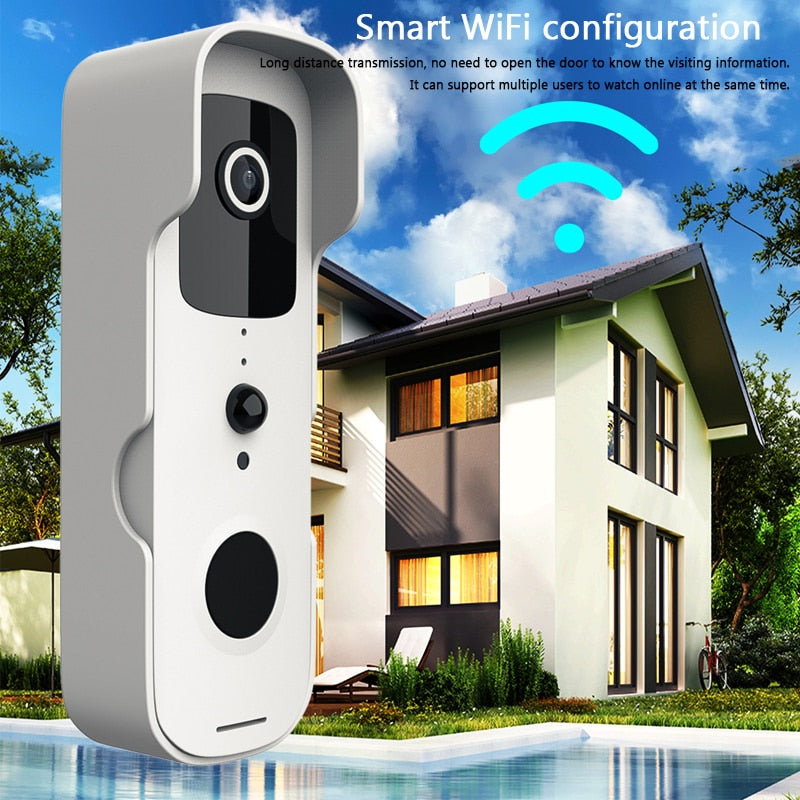
One of the most visible impacts of IoT is in the development of smart homes. IoT-enabled devices have transformed traditional homes into intelligent environments where appliances and systems can be controlled remotely and automated to suit individual preferences.
Smart thermostats, for instance, learn users’ temperature preferences and adjust settings automatically to optimize comfort and energy efficiency. Lighting systems can be programmed to turn on or off based on occupancy or time of day, reducing energy consumption. Voice assistants allow users to control multiple devices through simple voice commands, making everyday tasks more convenient.
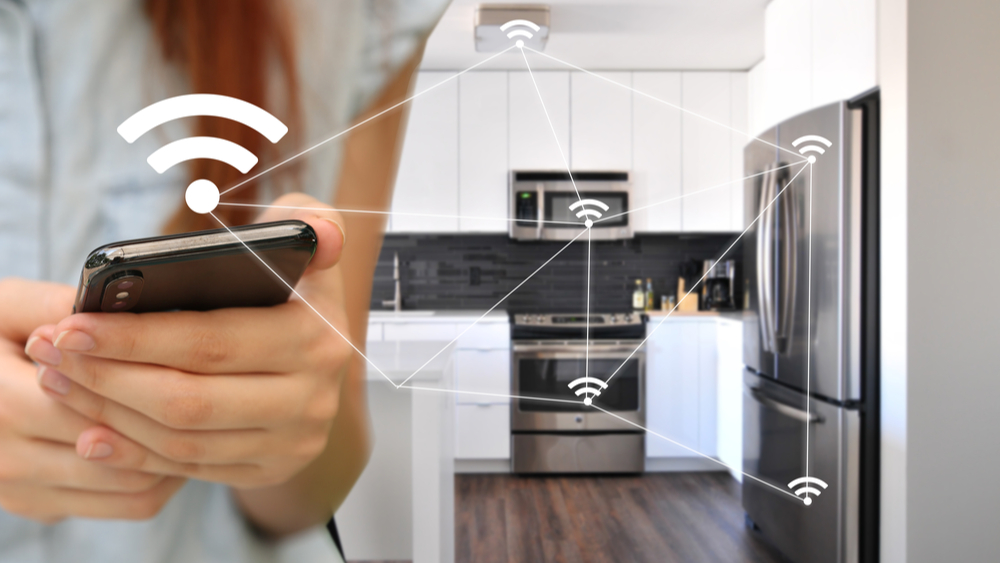
Home security has also been significantly enhanced through IoT devices. Smart cameras, motion sensors, and doorbell systems enable homeowners to monitor their properties in real time from anywhere in the world. Alerts and notifications provide immediate information about unusual activities, improving safety and peace of mind.
In addition, connected kitchen appliances such as smart refrigerators and ovens help streamline daily routines. These devices can track food inventory, suggest recipes, and even automate cooking processes, saving time and effort.
Healthcare and Personal Well-being
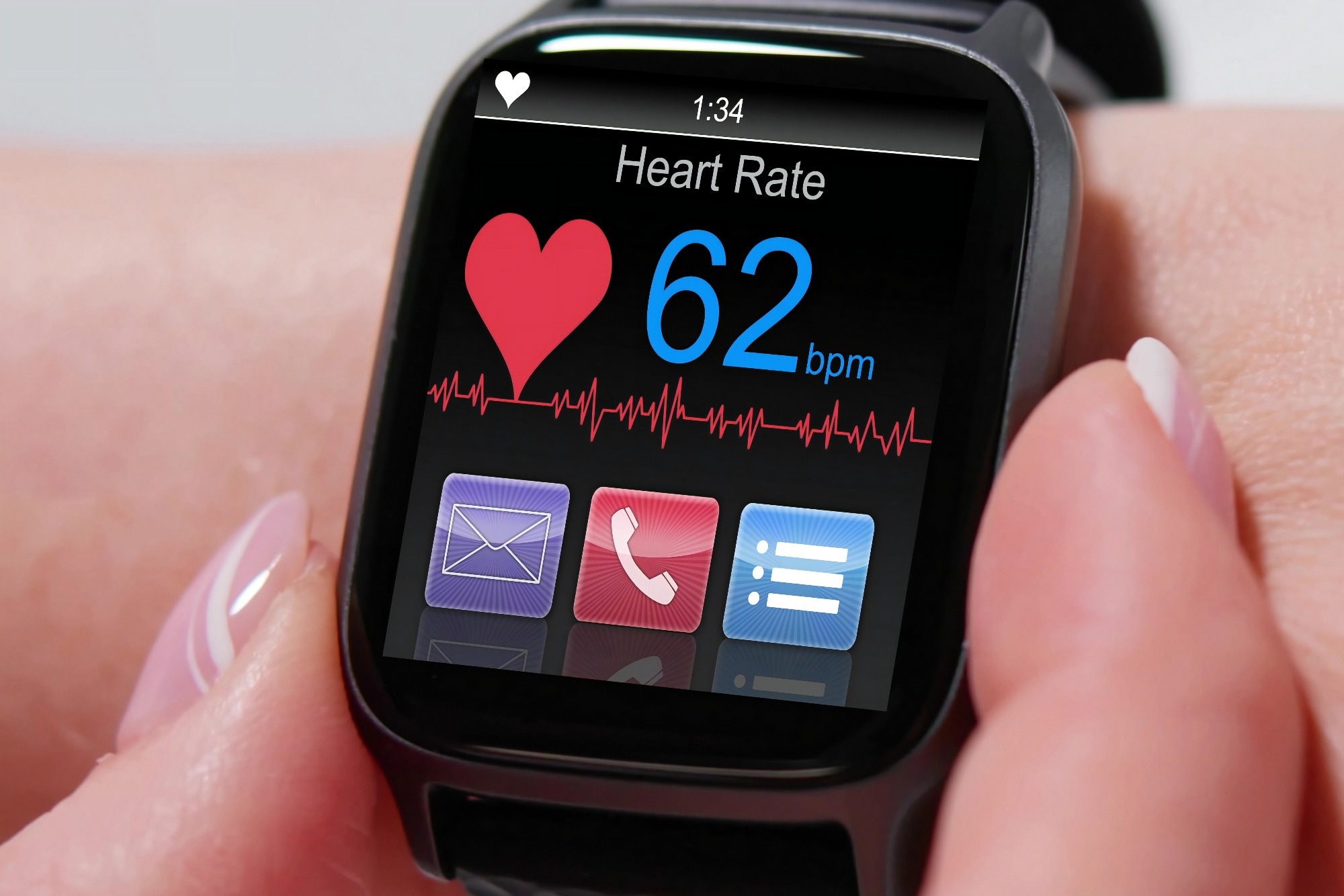
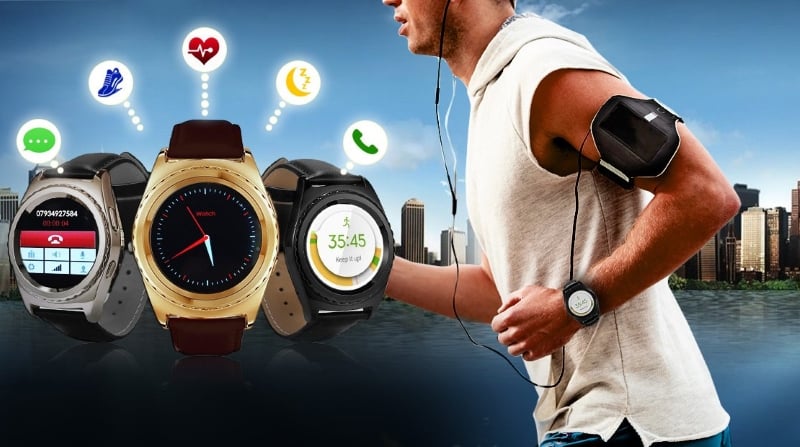
IoT has revolutionized healthcare by enabling more proactive and personalized approaches to health management. Wearable devices such as fitness trackers and smartwatches allow individuals to monitor their physical activity, heart rate, sleep patterns, and other health metrics in real time.
These devices empower users to take control of their health by providing insights into their daily habits and encouraging healthier lifestyles. For example, step counters and activity reminders motivate individuals to stay active, while sleep tracking features help improve sleep quality.

In the medical field, IoT devices are used for remote patient monitoring, allowing healthcare providers to track patients’ conditions without requiring frequent hospital visits. This is particularly beneficial for individuals with chronic illnesses, as it enables continuous monitoring and early detection of potential health issues.
Smart medical devices such as connected glucose monitors and blood pressure monitors provide accurate and timely data, improving diagnosis and treatment. This not only enhances patient outcomes but also reduces the burden on healthcare systems.
Transportation and Smart Mobility
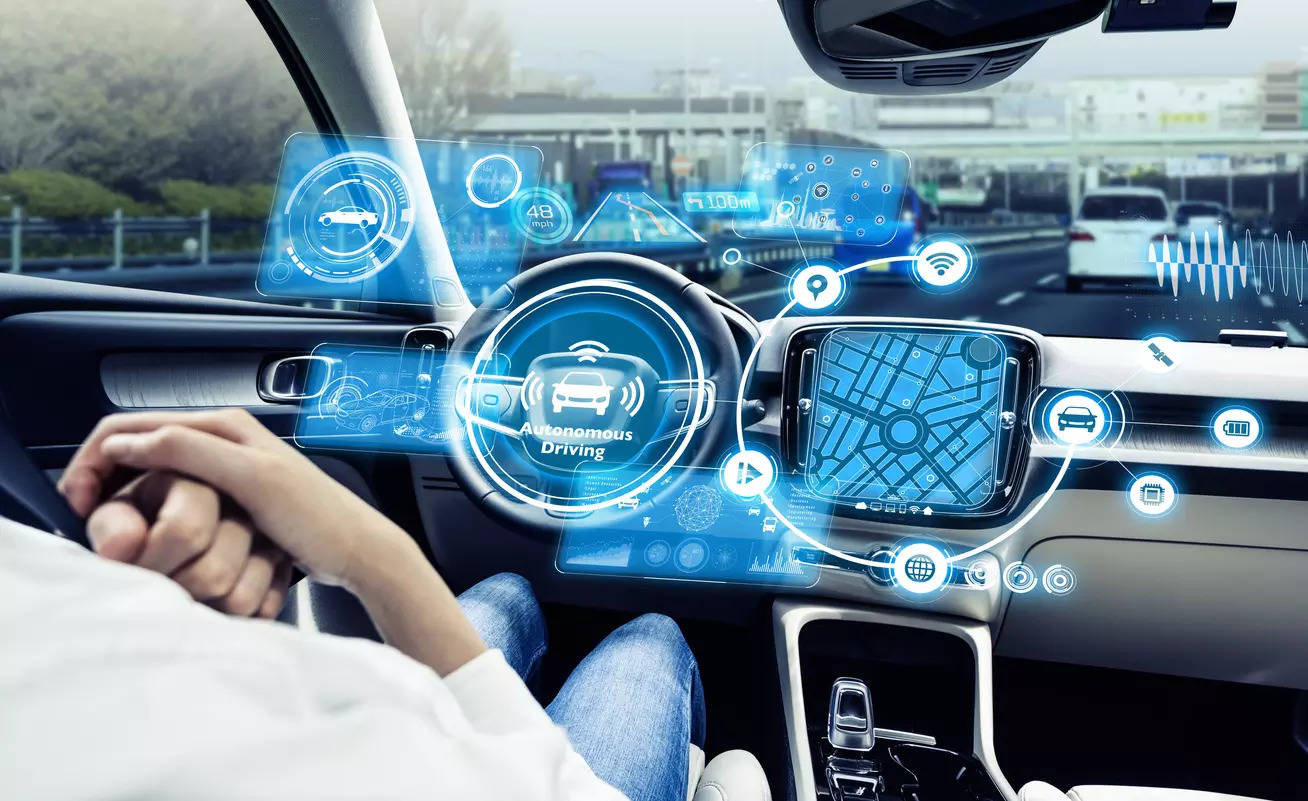
IoT is transforming transportation by enabling smarter and more efficient mobility solutions. Connected vehicles equipped with IoT technology can communicate with each other and with infrastructure systems, improving road safety and traffic management.
Smart navigation systems use real-time data to provide accurate traffic updates and suggest optimal routes, reducing travel time and fuel consumption. Ride-sharing platforms leverage IoT and GPS technology to connect drivers and passengers efficiently, enhancing convenience and accessibility.
In urban areas, IoT-enabled traffic management systems use sensors and cameras to monitor traffic flow and adjust signals dynamically. This helps reduce congestion and improve overall traffic efficiency.
Smart parking solutions are another significant innovation. Sensors embedded in parking spaces detect availability and guide drivers to vacant spots, saving time and reducing frustration. These systems also contribute to reduced emissions by minimizing the time spent searching for parking.
Workplace Transformation and Productivity
IoT is also reshaping the workplace by enhancing productivity and efficiency. In office environments, IoT devices are used to automate routine tasks and optimize resource utilization. Smart lighting and climate control systems adjust settings based on occupancy, creating comfortable and energy-efficient workspaces.
In industrial settings, IoT plays a crucial role in enabling smart manufacturing. Connected machines and sensors monitor production processes in real time, allowing for predictive maintenance and reducing downtime. This leads to increased productivity and cost savings.
Remote work has also been facilitated by IoT technologies. Connected devices enable seamless communication and collaboration, allowing employees to work efficiently from different locations. This flexibility has become increasingly important in today’s dynamic work environment.
Retail and Consumer Experience
The retail sector has also been significantly impacted by IoT, leading to enhanced customer experiences and more efficient operations. Smart shelves equipped with sensors can track inventory levels in real time, ensuring that products are always available.
IoT devices enable personalized shopping experiences by analyzing customer preferences and behavior. For example, retailers can send targeted promotions and recommendations based on purchase history.
Contactless payment systems and automated checkout processes have made shopping more convenient and efficient. These innovations reduce waiting times and improve overall customer satisfaction.
In addition, IoT enables better supply chain management by providing real-time visibility into the movement of goods. This helps retailers optimize inventory levels and reduce waste.
Environmental Sustainability and Energy Management
IoT devices are playing a crucial role in promoting environmental sustainability. Smart energy systems enable efficient management of electricity consumption by monitoring usage patterns and optimizing energy distribution.
In homes, smart meters provide real-time information about energy usage, allowing individuals to make informed decisions and reduce consumption. In industries, IoT systems help optimize energy use in production processes, reducing costs and environmental impact.
Smart irrigation systems in agriculture use sensors to monitor soil moisture and weather conditions, ensuring that water is used efficiently. This not only conserves water but also improves crop yields.
IoT is also used in waste management systems, where sensors in bins monitor fill levels and optimize collection routes. This reduces operational costs and minimizes environmental impact.
Challenges and Concerns
Despite its numerous benefits, the widespread adoption of IoT devices comes with several challenges. One of the primary concerns is data privacy and security. IoT devices collect vast amounts of personal data, which can be vulnerable to cyberattacks if not properly secured.
Interoperability is another challenge, as different devices and systems may not be compatible with each other. This can limit the effectiveness of IoT ecosystems and create barriers to adoption.
There is also the issue of data overload. The large volume of data generated by IoT devices requires advanced analytics and storage solutions, which can be costly and complex.
Additionally, the reliance on connectivity means that disruptions in network services can affect the functionality of IoT devices. Ensuring reliable and stable connectivity is therefore essential.
The Future of IoT in Everyday Life

The future of IoT is filled with possibilities, as advancements in technology continue to expand its capabilities. The integration of artificial intelligence with IoT is expected to create more intelligent and autonomous systems that can learn and adapt to user behavior.
Smart cities will become more prevalent, with IoT devices managing infrastructure, transportation, and public services. This will lead to improved quality of life and more sustainable urban environments.
In healthcare, IoT will enable more advanced remote monitoring and personalized treatments, improving patient outcomes and reducing healthcare costs. Wearable devices will become more sophisticated, providing deeper insights into health and well-being.
The continued growth of IoT will also drive innovation in various industries, creating new opportunities and transforming existing business models.
Conclusion
IoT devices are fundamentally changing everyday life by introducing unprecedented levels of connectivity, convenience, and efficiency. From smart homes and healthcare to transportation and retail, IoT has become an integral part of modern living.
By enabling real-time data collection and analysis, IoT devices empower individuals and organizations to make informed decisions and optimize their activities. While challenges such as security and interoperability remain, ongoing advancements in technology are expected to address these issues and further enhance the benefits of IoT.
In conclusion, IoT is not just a technological trend but a transformative force that is reshaping how people interact with the world around them. As its adoption continues to grow, IoT will play an increasingly important role in shaping the future of everyday life, making it smarter, more connected, and more efficient.