How AI Is Enhancing Customer Experience


Introduction
In today’s highly competitive business environment, customer experience has become a critical differentiator for organizations seeking to attract and retain customers. Companies are no longer competing solely on price or product quality; instead, they are focusing on delivering seamless, personalized, and engaging experiences across all customer touchpoints. As customer expectations continue to rise, businesses are increasingly turning to artificial intelligence (AI) to enhance their interactions and build stronger relationships with their customers.
Artificial intelligence refers to the simulation of human intelligence in machines that are programmed to think, learn, and make decisions. With advancements in machine learning, natural language processing, and data analytics, AI has become a powerful tool for improving customer experience. From chatbots and virtual assistants to recommendation systems and predictive analytics, AI is transforming how businesses understand and serve their customers.
This essay explores how AI is enhancing customer experience, its applications across various industries, its benefits, challenges, and future prospects.
Understanding Customer Experience in the Digital Age
Customer experience encompasses every interaction a customer has with a brand, from initial awareness to post-purchase support. In the digital age, these interactions occur across multiple channels, including websites, mobile apps, social media, and physical stores. As a result, delivering a consistent and positive experience has become increasingly complex.
AI plays a crucial role in addressing this complexity by enabling businesses to analyze large volumes of customer data and gain insights into customer behavior, preferences, and expectations. This allows organizations to design experiences that are tailored to individual customers, improving satisfaction and loyalty.
Moreover, AI enables real-time interactions, allowing businesses to respond to customer needs instantly. This is particularly important in a world where customers expect immediate responses and seamless service.
Personalization Through AI

One of the most significant ways AI enhances customer experience is through personalization. By analyzing customer data, AI systems can identify patterns and preferences, enabling businesses to deliver tailored experiences.
For example, streaming platforms like Netflix use AI to recommend content based on users’ viewing history and preferences. Similarly, e-commerce platforms such as Amazon provide personalized product recommendations that increase the likelihood of purchase.
Personalization extends beyond recommendations. AI can customize marketing messages, website content, and even pricing strategies based on individual customer profiles. This level of customization enhances customer engagement and creates a more meaningful connection between the customer and the brand.
AI-Powered Chatbots and Virtual Assistants
 AI-powered chatbots and virtual assistants have become essential tools for improving customer service. These systems can handle a wide range of customer inquiries, from answering frequently asked questions to resolving complex issues.
Chatbots provide instant responses, reducing wait times and improving customer satisfaction. They are available 24/7, ensuring that customers can access support at any time. This is particularly beneficial for global businesses that operate across different time zones.
Virtual assistants, such as Siri and Alexa, take this a step further by enabling voice-based interactions. Customers can use these assistants to perform tasks such as placing orders, checking account information, and accessing support services.
By automating routine tasks, AI-powered chatbots free up human agents to focus on more complex and high-value interactions, improving overall service quality.
Predictive Analytics for Customer Insights
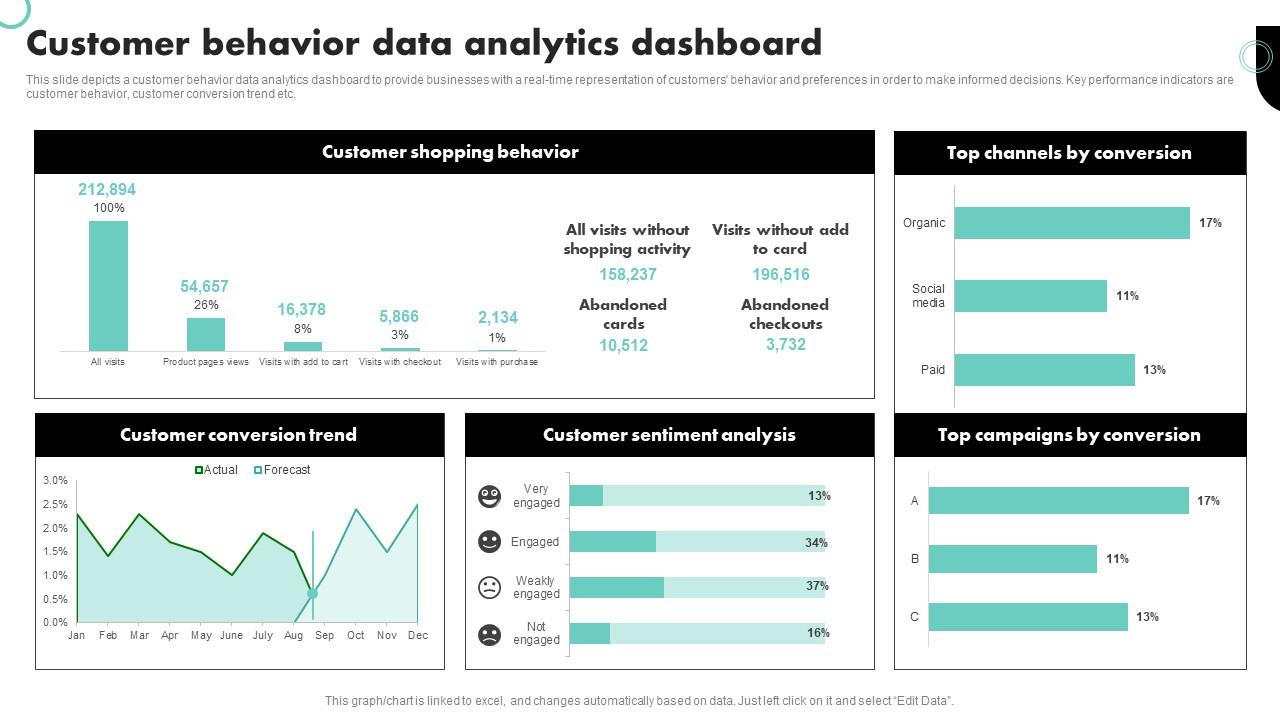
Predictive analytics is another powerful application of AI in enhancing customer experience. By analyzing historical data, AI can predict future customer behavior and trends, enabling businesses to take proactive measures.
For instance, AI can identify customers who are likely to churn and enable businesses to implement retention strategies. It can also forecast demand, allowing companies to optimize inventory and ensure product availability.
Predictive analytics also helps businesses anticipate customer needs. For example, a retailer can use AI to predict when a customer is likely to make a purchase and send targeted offers at the right time. This proactive approach enhances customer satisfaction and increases sales.
Omnichannel Customer Experience
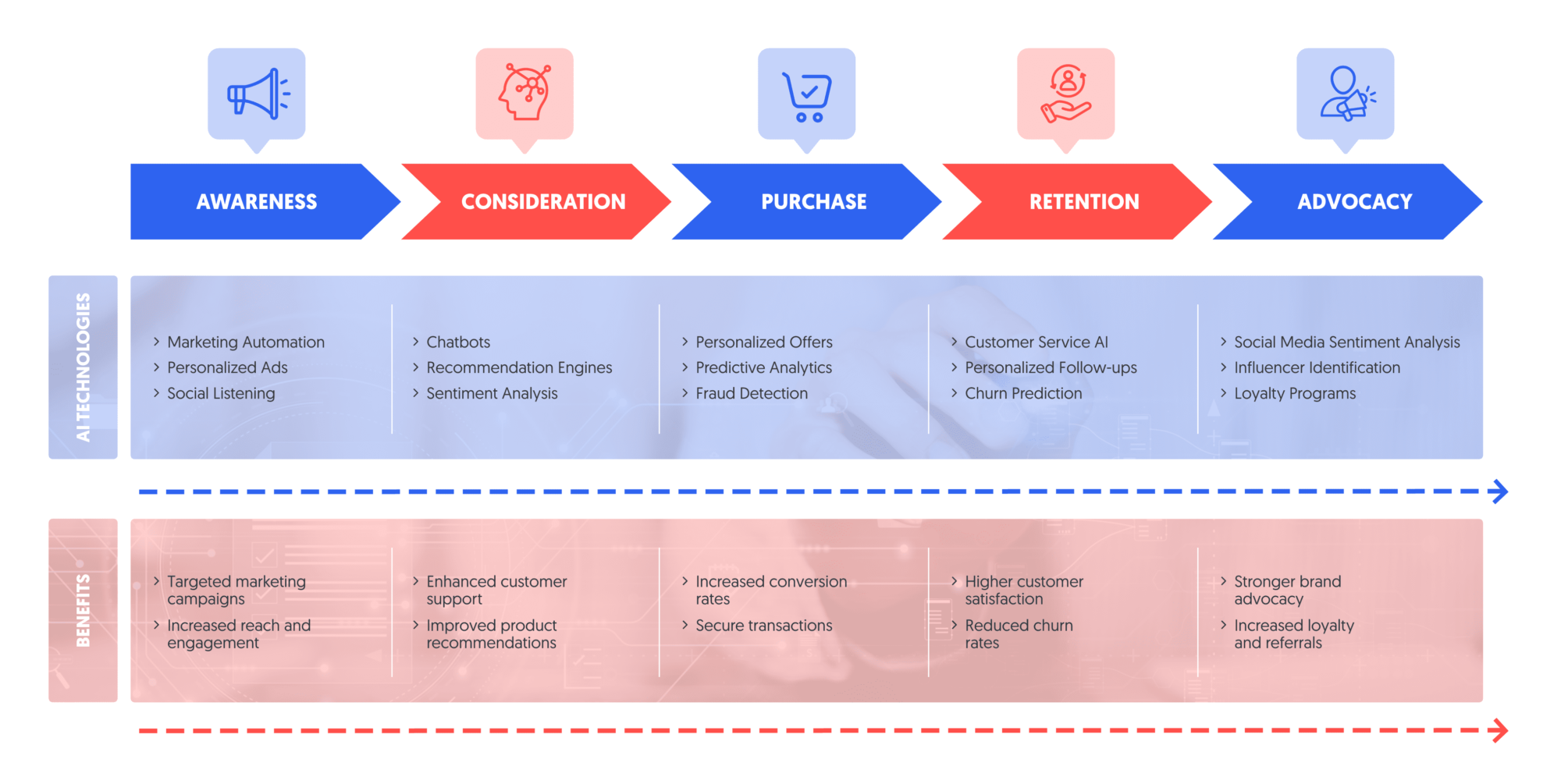
In today’s digital landscape, customers interact with brands across multiple channels. AI enables businesses to deliver a seamless omnichannel experience by integrating data from different touchpoints.
For example, a customer may browse products on a mobile app, make a purchase on a website, and seek support through social media. AI systems can track these interactions and provide a consistent experience across all channels.
This integration ensures that customers do not have to repeat information or face inconsistencies in service. It also allows businesses to gain a holistic view of the customer journey, enabling more effective decision-making.
AI in Customer Feedback and Sentiment Analysis

Understanding customer feedback is essential for improving customer experience. AI-powered sentiment analysis tools enable businesses to analyze customer opinions expressed in reviews, surveys, and social media.
These tools can identify whether customer feedback is positive, negative, or neutral, and highlight key issues that need to be addressed. This allows businesses to respond quickly to customer concerns and improve their products and services.
AI can also analyze large volumes of feedback in real time, providing valuable insights that would be difficult to obtain through manual analysis. This enables continuous improvement and helps businesses stay aligned with customer expectations.
AI in Customer Journey Mapping
Customer journey mapping involves analyzing the different stages of the customer experience, from awareness to post-purchase support. AI enhances this process by providing detailed insights into customer behavior at each stage.
By analyzing data from various sources, AI can identify pain points and opportunities for improvement. For example, if customers frequently abandon their shopping carts, AI can identify the underlying reasons and suggest solutions.
AI also enables dynamic journey mapping, where customer experiences are continuously updated based on real-time data. This allows businesses to adapt quickly to changing customer needs and preferences.
Industry Applications of AI in Customer Experience
AI is being used across various industries to enhance customer experience.
In the retail industry, AI is used for personalized recommendations, inventory management, and customer support. In the banking sector, AI-powered chatbots and fraud detection systems improve service delivery and security.
In healthcare, AI enhances patient experience by enabling virtual consultations, appointment scheduling, and personalized treatment plans. In the travel and hospitality industry, AI is used for booking assistance, personalized recommendations, and customer support.
These applications demonstrate the versatility of AI in improving customer experience across different sectors.
Benefits of AI in Customer Experience
The adoption of AI in customer experience offers numerous benefits.
One of the most significant advantages is improved efficiency. AI automates routine tasks, reducing the workload on human agents and enabling faster service delivery.
Another key benefit is enhanced personalization. By analyzing customer data, AI enables businesses to deliver tailored experiences that meet individual needs.
AI also improves accuracy by reducing human errors and providing data-driven insights. This leads to better decision-making and improved service quality.
In addition, AI enhances customer satisfaction by providing instant responses and seamless interactions. This helps build trust and loyalty, which are essential for long-term success.
Challenges of AI in Customer Experience
Despite its benefits, the use of AI in customer experience presents several challenges.
One of the primary challenges is data privacy and security. Businesses must ensure that customer data is protected and used responsibly.
Another challenge is the potential lack of human touch. While AI can handle many tasks, some customers still prefer human interaction, particularly for complex or sensitive issues.
The implementation of AI systems can also be costly and require specialized skills. Organizations must invest in technology and training to effectively leverage AI.
Additionally, AI systems are only as good as the data they are trained on. Poor-quality data can lead to inaccurate insights and suboptimal decisions.
The Future of AI in Customer Experience

The future of AI in customer experience is promising, with continuous advancements expected to enhance its capabilities.
One of the key trends is the development of more human-like interactions. Advances in natural language processing and voice recognition will enable AI systems to understand and respond to customers more effectively.
Another trend is the integration of AI with emerging technologies such as augmented reality and virtual reality. This will create immersive customer experiences, particularly in industries such as retail and entertainment.
Hyper-personalization is also expected to become more prevalent, with AI delivering highly tailored experiences based on real-time data.
Furthermore, AI will play a crucial role in enabling proactive customer service, where businesses anticipate customer needs and address issues before they arise.
Conclusion
Artificial intelligence is transforming customer experience by enabling businesses to deliver personalized, efficient, and seamless interactions. From chatbots and virtual assistants to predictive analytics and sentiment analysis, AI provides powerful tools for understanding and serving customers.
By leveraging AI, organizations can improve customer satisfaction, build loyalty, and gain a competitive advantage. While challenges such as data privacy and implementation costs remain, ongoing advancements in technology are expected to address these issues.
In conclusion, AI is not just enhancing customer experience but redefining it. As businesses continue to adopt AI-driven solutions, the future of customer experience will be characterized by greater personalization, efficiency, and innovation.