How Blockchain Is Changing Digital Identity
Digital identity is at the heart of how people interact with the modern world. From logging into apps and accessing banking services to verifying credentials and making online purchases, identity systems play a crucial role in everyday life. However, traditional digital identity models are increasingly facing challenges related to security, privacy, and control.
Blockchain technology is emerging as a transformative solution, offering a decentralized, secure, and user-centric approach to identity management. This article explores how blockchain is reshaping digital identity, its real-world applications, and what the future holds.
Understanding Digital Identity
Digital identity refers to the collection of data that represents an individual, organization, or device in the digital space. This includes:
- Usernames and passwords
- Biometric data (fingerprints, facial recognition)
- Social media profiles
- Financial information
- Government-issued IDs
Traditionally, digital identities are stored and controlled by centralized institutions such as banks, governments, and tech companies. While this model has enabled rapid digital growth, it also introduces several risks.
Challenges with Traditional Digital Identity Systems
- Data breaches: Centralized databases are prime targets for hackers
- Identity theft: Stolen credentials can be reused across platforms
- Lack of user control: Individuals do not fully own their data
- Fragmentation: Users must manage multiple identities across services
These limitations highlight the need for a more secure and user-centric system—this is where blockchain comes in.
What Is Blockchain Technology?

Blockchain is a decentralized digital ledger that records transactions across multiple computers. Instead of relying on a single central authority, blockchain distributes data across a network, making it more secure and transparent.
Key features of blockchain include:
- Decentralization: No single entity controls the data
- Immutability: Once recorded, data cannot be easily altered
- Transparency: Transactions can be verified by participants
- Security: Cryptographic techniques protect data integrity
These features make blockchain an ideal foundation for digital identity systems.
How Blockchain Is Transforming Digital Identity
1. Self-Sovereign Identity (SSI)

One of the most significant innovations is Self-Sovereign Identity (SSI). In this model, individuals have full control over their identity data.
Instead of relying on third parties, users store their credentials in a digital wallet and share only the necessary information when required.
Benefits of SSI:
- Greater privacy
- Reduced reliance on intermediaries
- Enhanced user control
Blockchain ensures that credentials are verifiable without exposing unnecessary personal data.
2. Enhanced Security and Fraud Prevention
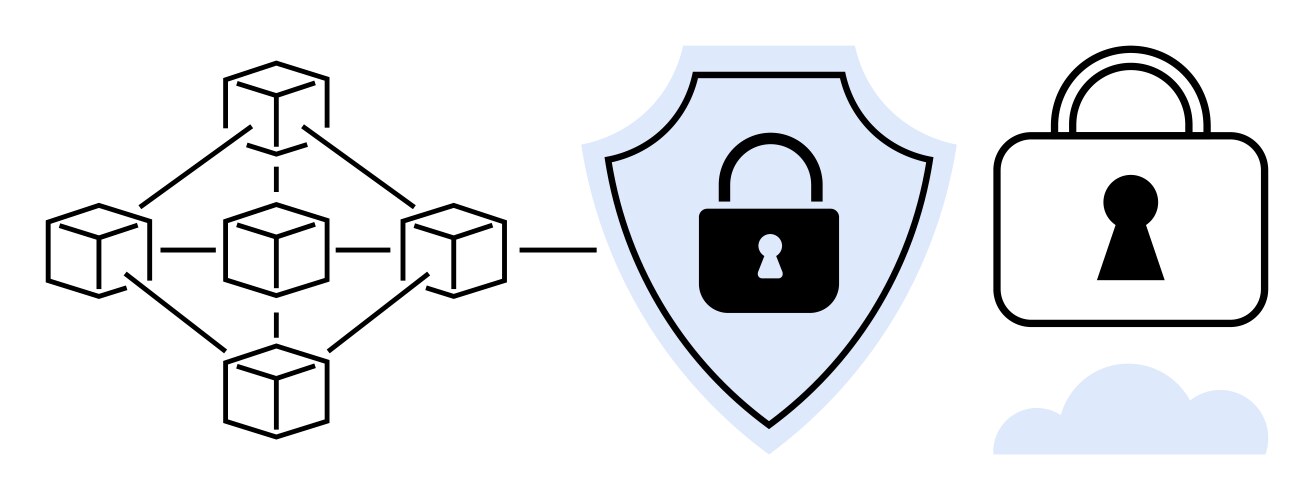
Blockchain significantly reduces the risk of identity theft and fraud.
- Data is stored across multiple nodes, making it harder to hack
- Cryptographic keys replace traditional passwords
- Verification processes are tamper-proof
For example, instead of storing sensitive data in a central server, blockchain allows verification through cryptographic proofs, minimizing exposure.
3. Decentralized Identity Verification

Blockchain enables peer-to-peer identity verification, eliminating the need for centralized authorities.
This means:
- Faster verification processes
- Reduced costs
- Increased efficiency
Organizations can verify identities instantly without relying on third-party databases.
4. Interoperability Across Platforms
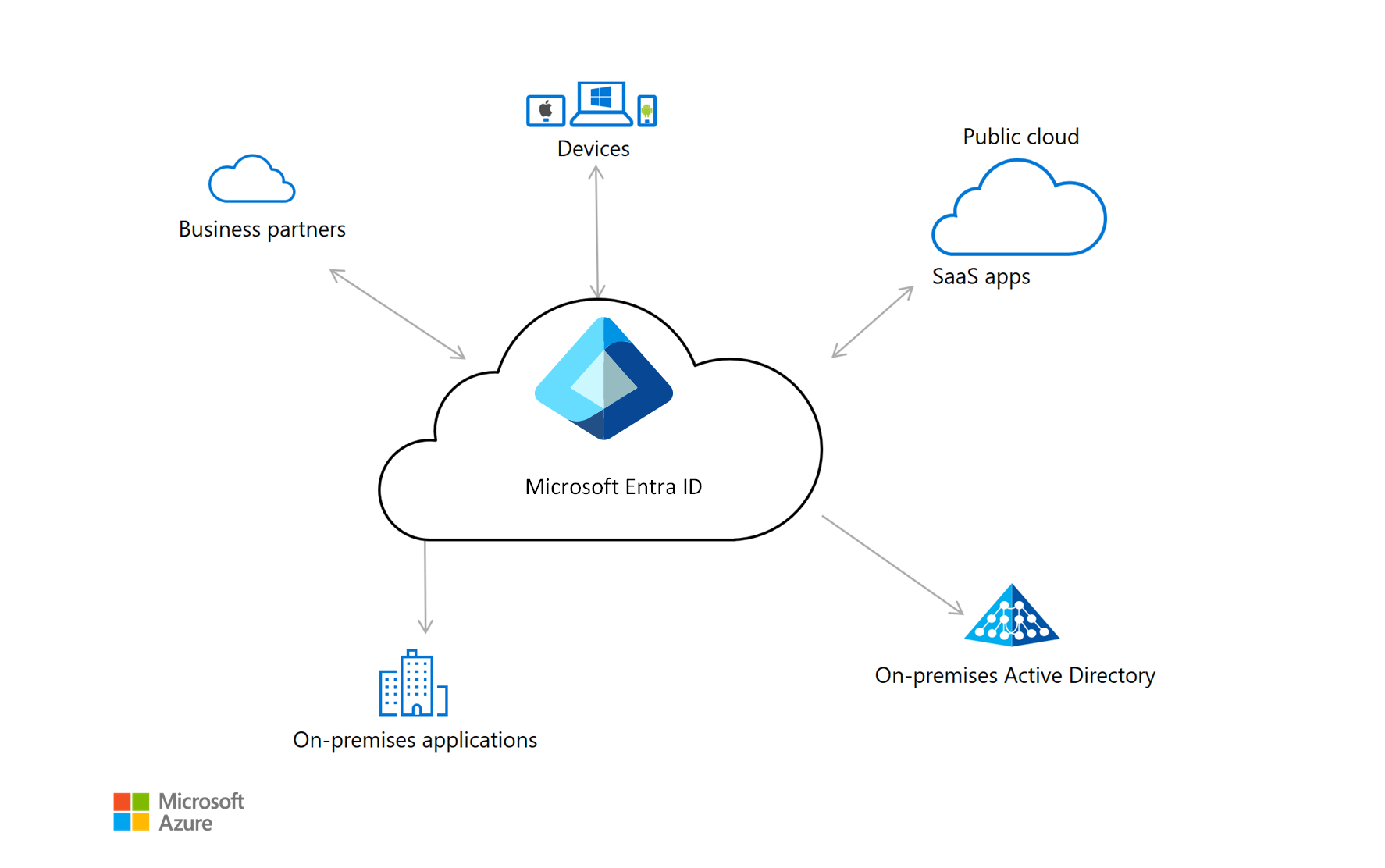
Blockchain-based identities can be used across multiple platforms seamlessly.
Instead of creating separate accounts for each service, users can maintain a single digital identity that works everywhere.
This reduces:
- Password fatigue
- Account duplication
- Administrative overhead
5. Privacy by Design
Blockchain supports advanced privacy techniques such as zero-knowledge proofs, which allow users to prove something without revealing the underlying data.
For example:
- Proving age without sharing date of birth
- Verifying citizenship without exposing full identity
This approach enhances privacy while maintaining trust.
Real-World Applications of Blockchain in Digital Identity
1. Financial Services
Banks and fintech companies use blockchain for secure identity verification, reducing fraud and streamlining onboarding processes.
- Faster Know Your Customer (KYC) procedures
- Reduced compliance costs
- Improved customer experience
2. Healthcare
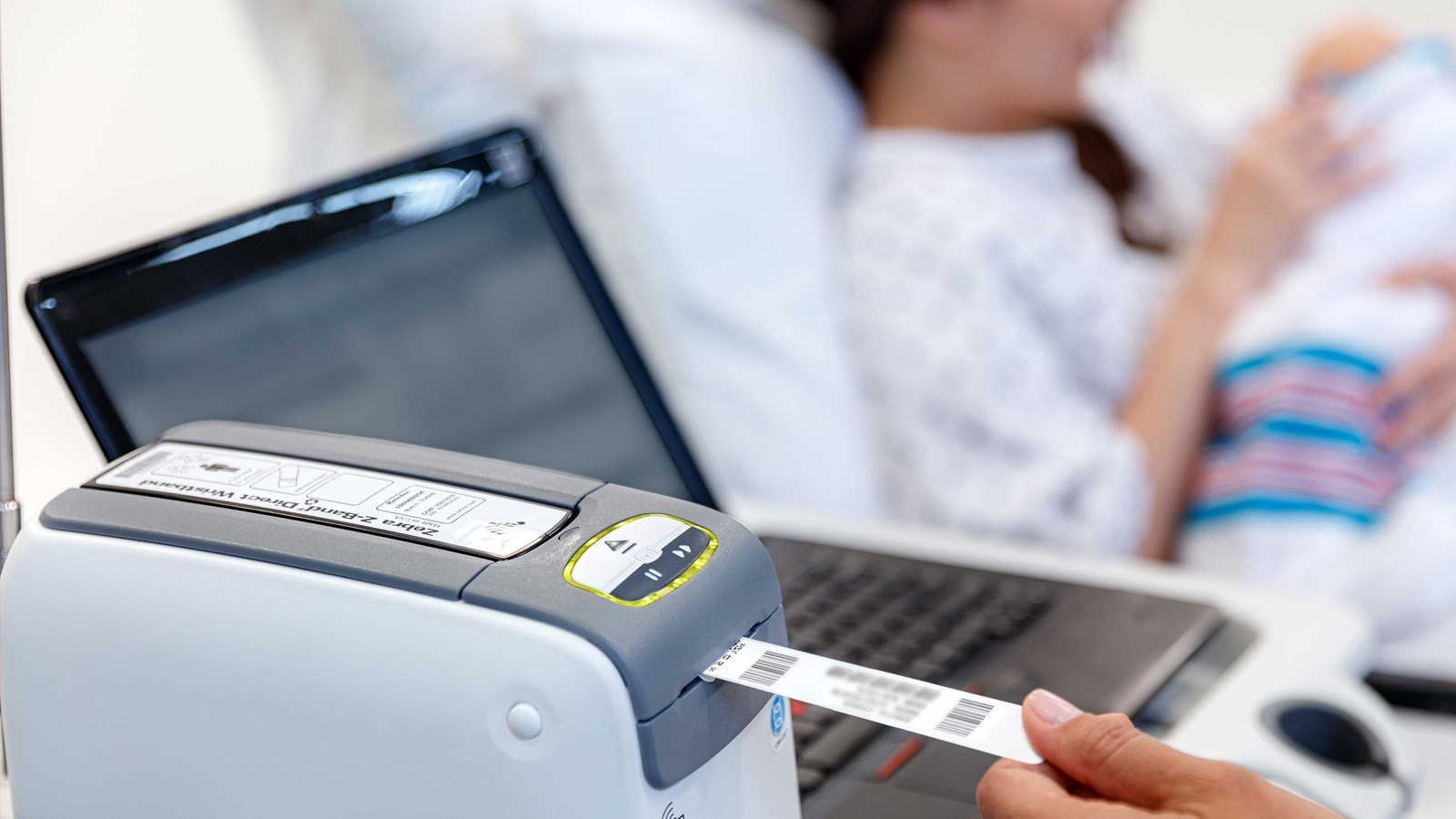
Blockchain enables secure management of patient identities and medical records.
- Patients control access to their data
- Healthcare providers can verify records instantly
- Data breaches are minimized
3. Government and National ID Systems
Governments are exploring blockchain for digital ID systems.
Examples include:
- Digital passports
- Voting systems
- National identity programs
These systems enhance transparency and reduce fraud.
4. Education and Credentials

Educational institutions use blockchain to issue verifiable digital certificates.
- Employers can verify credentials instantly
- Fraudulent degrees are reduced
- Students maintain lifelong access to records
5. Travel and Hospitality
Blockchain simplifies identity verification in travel.
- Faster airport check-ins
- Secure digital passports
- Seamless hotel bookings
This enhances the overall travel experience.
Benefits of Blockchain-Based Digital Identity
✔ Improved Security
Decentralization reduces the risk of single points of failure.
✔ Greater User Control
Individuals own and manage their identity data.
✔ Reduced Costs
Eliminates intermediaries and manual processes.
✔ Increased Efficiency
Faster verification and onboarding processes.
✔ Enhanced Privacy
Selective data sharing protects sensitive information.
Challenges and Limitations
Despite its potential, blockchain-based digital identity faces several challenges:
1. Scalability
Handling millions of users efficiently remains a concern.
2. Regulatory Uncertainty
Governments are still developing policies around blockchain identity.
3. Adoption Barriers
Widespread adoption requires collaboration across industries.
4. User Education
Users must understand how to manage digital wallets and keys.
The Future of Digital Identity with Blockchain
The future of digital identity is likely to be decentralized, secure, and user-centric.
Emerging trends include:
- Integration with Internet of Things (IoT) devices
- Expansion of digital identity wallets
- Increased government adoption
- Growth of global identity standards
As technology evolves, blockchain could become the foundation of a universal digital identity system, enabling seamless interactions across borders and industries.
Conclusion
Blockchain is fundamentally changing how digital identities are created, managed, and verified. By shifting control from centralized institutions to individuals, it addresses many of the limitations of traditional identity systems.
From self-sovereign identity and enhanced security to real-world applications in finance, healthcare, and education, blockchain is paving the way for a more secure and efficient digital future.
While challenges remain, the momentum behind blockchain-based identity solutions continues to grow. As adoption increases, it has the potential to redefine trust in the digital age—empowering individuals and transforming industries worldwide.